
What happens when the final breath is taken? Does death mark the end of our story, or does the Bible reveal something extraordinary waiting beyond the grave? Imagine a future moment when the dead hear a divine call, the trumpet sounds, and the promises recorded in Scripture become central to humanity’s future.
These questions have fascinated people for centuries. Yet the Bible offers more than comforting words about death. It describes resurrection, judgment, the return of Jesus Christ, and a future that raises profound questions about the destiny of humanity.
A Resurrection of the Dead study helps readers investigate these promises through Scripture rather than assumptions. From the words of Jesus to Paul’s teaching about the last trumpet and John’s visions in Revelation, the biblical account presents a fascinating story that deserves closer examination.
At Last Day Last Trump Ministries (LDLT), readers can explore biblical prophecy and investigate how passages from Daniel, the teachings of Jesus, and Revelation may connect within a broader prophetic timeline. Visit the LDLT website to discover more about its Bible prophecy resources.
What If the Grave Is Not the Final Chapter?
Picture a quiet cemetery. Beneath the ground lie people whose stories, relationships, and dreams once filled their lives. From a human perspective, death appears final. But in John 5:28–29, Jesus speaks of a coming hour when those in the graves will hear His voice and come forth.
This statement raises an astonishing question: What did Jesus mean when He spoke about the dead hearing His voice?
The passage points toward a future resurrection and distinguishes between different outcomes. It invites readers to examine when this event will occur and how it relates to the judgment described elsewhere in Scripture.
Consider the account of Lazarus in John 11. After Lazarus dies, Jesus tells Martha, “I am the resurrection, and the life.” He then calls Lazarus out of the tomb.
The miracle demonstrates Jesus’ authority over death, but it also directs attention toward a greater question: How does this event relate to the resurrection hope promised to humanity?
Exploring these passages can transform a familiar Bible story into the starting point for a much deeper investigation.
What Does the Bible Reveal About Life After Death?
The Bible discusses death through several different passages and images, including the metaphor of sleep. Jesus uses this language when speaking about Lazarus in John 11:11–14. Other passages address being with Christ, the resurrection of the dead, and the final judgment.
Christians interpret certain passages about the immediate state after death differently. That is why careful study matters. Rather than assuming every verse addresses the same question, readers should consider its context and relationship to the wider biblical message.
Three important themes deserve attention:
- The condition of the dead: Ecclesiastes 9:5 and John 11:11–14 raise questions about how Scripture describes death.
- The promise of resurrection: First Corinthians 15:20–26 presents Christ as the firstfruits of those who have died and describes death as the last enemy to be destroyed.
- The hope of eternal life: Jesus’ teachings and the writings of Paul connect resurrection with God’s future purposes.
Each theme opens another door. Understanding what the Bible says about death is only the beginning; the next challenge is discovering how resurrection fits into the events surrounding Christ’s return.
The Last Trump: A Sound That Changes Everything?
One of the most intriguing expressions in biblical prophecy is the “last trump.”
In 1 Corinthians 15:51–54, Paul describes a mystery: the dead will be raised imperishable, and the living will be changed. He connects this transformation with the sounding of the trumpet.
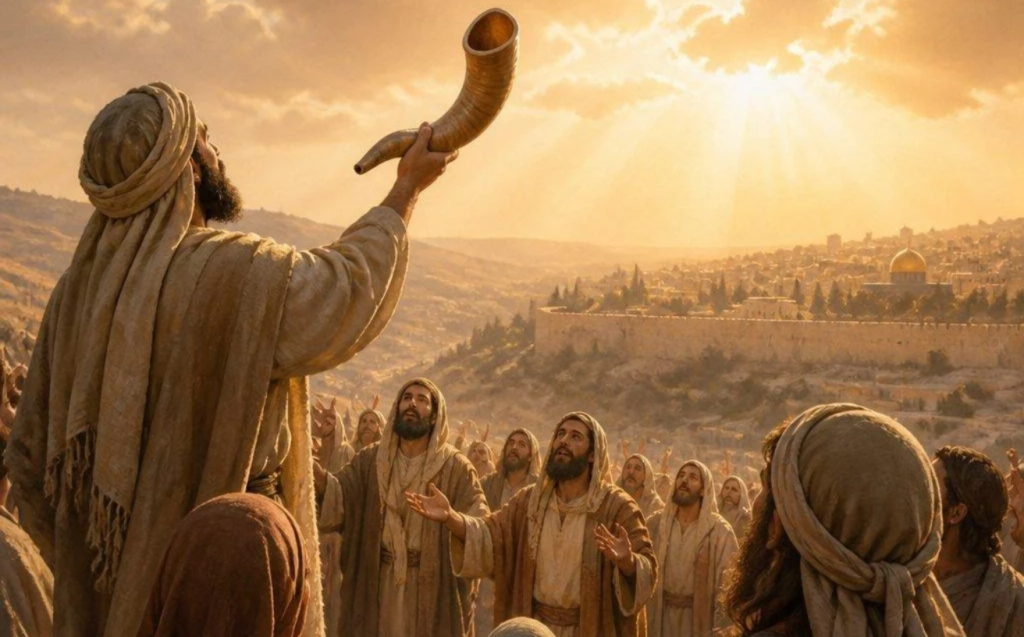
First Thessalonians 4:16–17 also describes the Lord descending from heaven, the trumpet of God sounding, and the dead in Christ rising first.
These passages invite several fascinating questions. Is the last trumpet connected to a decisive moment in the end-times timeline? How does it relate to the return of Jesus? And should it be understood in connection with the trumpet judgments described in Revelation?
Christians hold different interpretations of these events. Some place the resurrection and gathering of believers before the Tribulation, while others understand their timing differently.
Last Day Last Trump Ministries (LDLT) provides a context for readers interested in examining these prophetic questions and comparing biblical passages. The aim of serious study is not to jump to conclusions but to investigate the text and understand the reasons behind different interpretations.
Daniel and Revelation: Are the Prophecies Connected?
What if the resurrection passages become clearer when examined alongside the Bible’s larger prophetic picture?
Daniel 12:2 describes an awakening of those who sleep in the dust of the earth, with different outcomes. Revelation 20 presents the first resurrection and later describes a scene of judgment before the great white throne.
These passages raise important questions about sequence, timing, and the relationship between resurrection and judgment.
Daniel also describes prophetic kingdoms, symbolic beasts, and appointed times. Jesus’ Olivet Discourse in Matthew 24 discusses deception, tribulation, and His return. Revelation introduces the seven seals, seven trumpets, seven bowls, and other visions associated with the completion of God’s plan.
Last Day Last Trump Ministries (LDLT) examines connections between Daniel, Jesus’ prophetic teaching, and Revelation as part of its broader approach to biblical chronology. Its commentary encourages readers to consider whether these passages describe separate events, overlapping perspectives, or stages within a larger prophetic sequence.
This is where further investigation becomes particularly interesting. Could comparing these biblical witnesses help readers better understand the timing of resurrection? The answer requires examining the passages carefully and recognising where interpretations differ.
What Will the Resurrection Body Be Like?
Resurrection involves more than the question of whether the dead will live again. Paul also describes a remarkable transformation.
In 1 Corinthians 15:42–44, he contrasts what is perishable with what is imperishable, weakness with power, and dishonour with glory. He then explains that mortality must put on immortality.
What does this transformation mean? What is the significance of receiving an imperishable body?
Paul’s discussion directs attention toward a future in which death no longer has the final word. Although Scripture does not answer every question about the physical details of resurrection, it clearly places transformation and victory over death at the centre of Christian hope.
For readers undertaking a Resurrection of the Dead study, these verses provide an essential foundation for understanding the promise of resurrection alongside the events associated with Christ’s return.
Frequently Asked Questions
The Bible discusses death, the intermediate state, resurrection, and judgment in different passages. Christians interpret the immediate state after death differently, but the future resurrection is central to New Testament teaching.
John 5:28–29 records Jesus teaching that those in the graves will hear His voice and come forth. First Corinthians 15 explains the Christian hope of resurrection and its connection with Christ’s victory over death.
First Thessalonians 4:16–17 connects the resurrection of the dead in Christ with the Lord’s return. Christians disagree about the precise timing in relation to the Tribulation and other prophetic events.
Revelation 20:4–6 describes the first resurrection and calls those who share in it blessed and holy. Its nature and timing are interpreted differently among Christian traditions.
First Corinthians 15:52 connects the last trumpet with the raising of the dead in an imperishable state and the transformation of the living. First Thessalonians 4 provides another important passage for studying this connection.
Begin with Daniel 12, Matthew 24, 1 Corinthians 15, 1 Thessalonians 4, and Revelation 20. Compare their themes, contexts, and chronology to explore the connections and understand different interpretations.
Discover More Through LDLT’s Bible Prophecy Books
The questions surrounding death and resurrection lead to an even greater mystery: how do these promises fit into the Bible’s account of the last days?
What is the significance of the last trumpet? Why does Revelation describe a first resurrection and a later judgment? And how might Daniel, Jesus’ prophetic teaching, and Revelation help readers understand the events associated with Christ’s return?
These questions deserve more than a quick online answer. They call for careful reading, comparison, and a willingness to investigate Scripture in depth.
Last Day Last Trump Ministries (LDLT) offers Bible prophecy commentary and study resources for readers who want to explore prophetic chronology, compare interpretive approaches, and examine the connections between biblical passages.
If you want to investigate these subjects further, visit the LDLT online shop to explore available books and digital study resources. Choose a resource that suits your reading needs and continue examining what Scripture teaches about resurrection, the last trumpet, and the future.
The most important questions about death may lead to discoveries about hope, judgment, and the promises recorded in the Bible.
Start exploring today. Read the passages, investigate the prophecy, and discover what the Bible reveals about life beyond the grave.

admin
Author at Last Day Last Trump Ministries.