
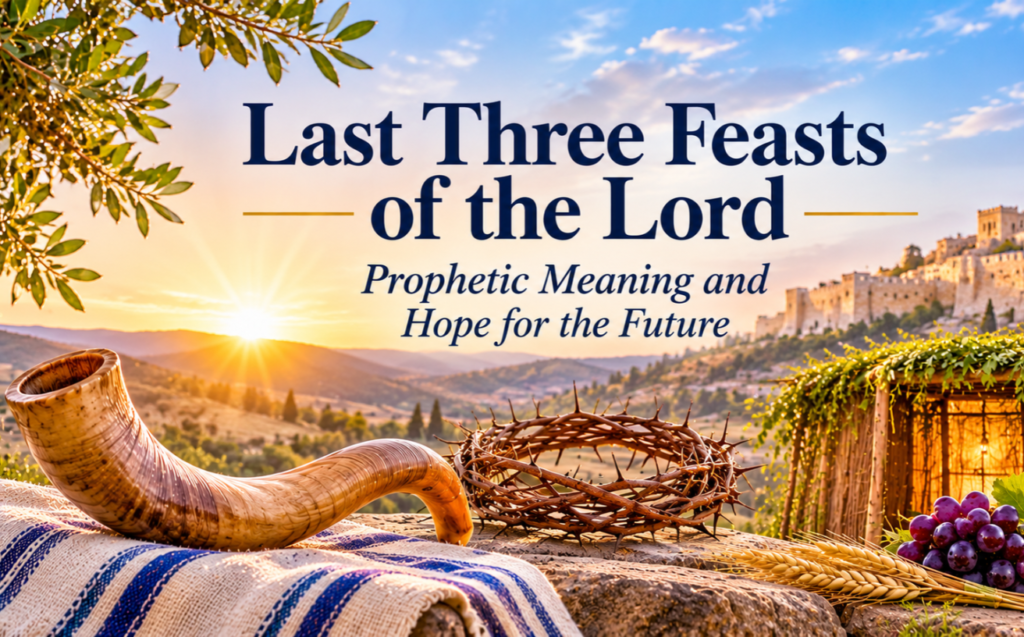
What if the biblical feasts reveal more about God’s plan for the future than many people realise? Throughout Scripture, God established appointed times that carry spiritual meaning and remind His people of His promises. For students of Bible prophecy, the final three feasts raise an especially fascinating question: could they help us understand the events surrounding the return of Jesus Christ?
The Last Three Feasts of the Lord – the Feast of Trumpets, the Day of Atonement, and the Feast of Tabernacles provide an important starting point for exploring this subject. At Last Day Last Trump Ministries (LDLT), these feasts connect with a broader study of the Resurrection, the Rapture, and the prophetic chronology revealed through Daniel, the teachings of Jesus, and the Book of Revelation.
What Are the Last Three Feasts of the Lord?
Leviticus 23 outlines the appointed feasts God established for Israel. Three significant celebrations occur during the seventh month of the biblical calendar. These are particularly interesting when examining the prophetic themes of Scripture.
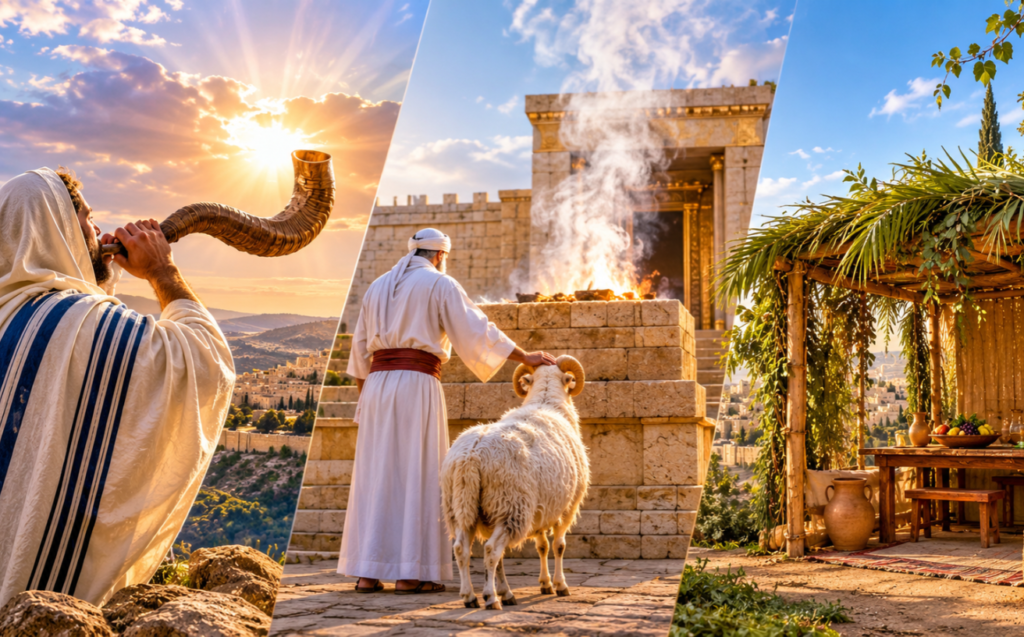
1. The Feast of Trumpets
Described in Leviticus 23:23–25, this feast is marked by trumpet blasts and a sacred assembly. Throughout the Bible, trumpets announce important events, gather people, and communicate warnings. This makes the feast especially interesting when studying the New Testament’s references to the last trumpet.
2. The Day of Atonement
Leviticus 23:26–32 describes this solemn day, while Leviticus 16 explains its ceremonies. It focuses on repentance, cleansing, and atonement for sin. Its themes connect with the wider biblical message of reconciliation with God.
3. The Feast of Tabernacles
Also called the Feast of Booths, this celebration commemorates Israel’s wilderness journey and God’s provision. Leviticus 23:33–43 describes its observance and joyful character.
Together, these three feasts highlight important biblical themes: the trumpet, atonement, and dwelling with God.
Could These Feasts Point to the Return of Jesus?
Many Christians explore the prophetic significance of the biblical feasts, particularly their possible relationship with the return of Jesus.
The Feast of Trumpets attracts considerable attention because the New Testament connects a trumpet with the resurrection of the dead and the transformation of believers.
In 1 Corinthians 15:51–52, Paul explains that the dead will be raised imperishable and believers will be changed at the last trumpet. Similarly, 1 Thessalonians 4:16–17 describes the Lord descending from heaven with a commanding cry, an archangel’s voice, and God’s trumpet.
These passages raise an important question: is there a connection between the Feast of Trumpets and the gathering of God’s people?
At LDLT, this relationship forms part of a wider investigation into the Resurrection, the Rapture, and the events surrounding Christ’s return. Rather than relying on isolated verses, readers are encouraged to examine the relevant passages within their broader biblical context.
How Does the Day of Atonement Fit into Bible Prophecy?
The Day of Atonement highlights humanity’s need for forgiveness and reconciliation with God. Its Old Testament ceremonies demonstrated the seriousness of sin and the importance of atonement.
The New Testament develops these themes through the sacrifice of Jesus Christ. Hebrews 9 explains the relationship between sacrifice and cleansing, while Hebrews 10 emphasises the significance of Christ’s once-for-all offering.
When studying prophecy, this feast also encourages reflection on divine judgment, accountability, and God’s ultimate purposes.
Some prophetic interpretations associate the Day of Atonement with future events involving judgment and the fulfilment of God’s promises. However, understanding these connections requires careful consideration of Scripture rather than assuming every Old Testament ceremony directly represents a specific future event.
What Does the Feast of Tabernacles Reveal About God’s Future Kingdom?
The Feast of Tabernacles celebrates God’s provision and faithfulness during Israel’s wilderness journey. It reminds readers that God remained with His people even during difficult circumstances.
Its prophetic significance becomes particularly interesting when examining passages about God’s future kingdom.
Zechariah 14:16–19 refers to the Feast of Tabernacles in connection with the nations worshipping the King. Revelation 21:3 also describes God’s dwelling with humanity, presenting a powerful picture of His presence among His people.
These passages invite readers to consider whether the feast offers a meaningful picture of future restoration, worship, and the fulfilment of God’s promises.
For students of Bible prophecy, the central themes are clear: God’s faithfulness, His kingdom, and the hope of dwelling in His presence.
Why Study the Feasts Alongside Daniel and Revelation?
Understanding Bible prophecy can be challenging because important events and themes appear across different books of Scripture. Reading individual passages without considering their wider context can make it difficult to understand how they relate.
This is why Last Day Last Trump Ministries encourages readers to examine the relationship between Daniel’s prophecies, Jesus’ Olivet Discourse in Matthew 24, and John’s visions in Revelation.
A structured study raises several important questions:
- How does the Feast of Trumpets relate to the last trumpet mentioned by Paul?
- What do Daniel and Jesus reveal about the sequence of end-times events?
- How should Revelation’s trumpets be understood alongside the Resurrection?
- What connections exist between the biblical feasts and God’s future kingdom?
LDLT explores these questions through a proposed prophetic chronology and considers different schools of end-times interpretation. This approach encourages readers to compare Scripture, examine different viewpoints, and develop a deeper understanding of biblical prophecy.
Discover more about this approach through the LDLT commentary on Revelation and the end times.
Frequently Asked Questions
They are the Feast of Trumpets, the Day of Atonement, and the Feast of Tabernacles. All three are described in Leviticus 23 and occur during the seventh month of the biblical calendar.
Some Christian interpretations connect these feasts with Christ’s return, the Resurrection, judgment, and God’s future kingdom. However, their precise prophetic fulfilment is debated among biblical scholars and Christian traditions.
The connection is commonly explored through 1 Corinthians 15:51–52 and 1 Thessalonians 4:16–17, which mention a trumpet in connection with the resurrection of believers and the Lord’s coming.
It highlights repentance, forgiveness, cleansing, and reconciliation with God. These themes are also important when studying Christ’s sacrifice and the biblical teaching about judgment.
It commemorates God’s provision during Israel’s wilderness journey. Its themes of worship, rejoicing, and God’s presence also contribute to discussions about His future kingdom.
Explore God’s Prophetic Plan with Last Day Last Trump Ministries
The Last Three Feasts of the Lord offer a fascinating opportunity to explore the connections between God’s appointed times and His promises for the future. From the trumpet associated with the Resurrection to the themes of atonement and God’s dwelling with humanity, each feast provides an opportunity for deeper biblical study.
At Last Day Last Trump Ministries (LDLT), readers are encouraged to examine these subjects within a wider prophetic chronology connecting Daniel, the Olivet Discourse, and Revelation.
Are you ready to explore what the Bible reveals about the last days?
Visit the official LDLT website to discover more about the ministry’s Bible-prophecy studies. You can also shop the available commentary editions in EPUB and PDF formats to deepen your understanding.
Study the Scriptures, compare the prophetic interpretations, and discover how the biblical feasts may fit into God’s greater plan. The journey towards understanding prophecy begins with an open Bible and a willingness to examine the evidence.
Related Articles
Continue exploring biblical prophecy and God’s plan for the last days with these related studies from Last Day Last Trump Ministries (LDLT):

admin
Author at Last Day Last Trump Ministries.